Your One-Stop Chemical Solvent Supply Expert - Richnow Chem



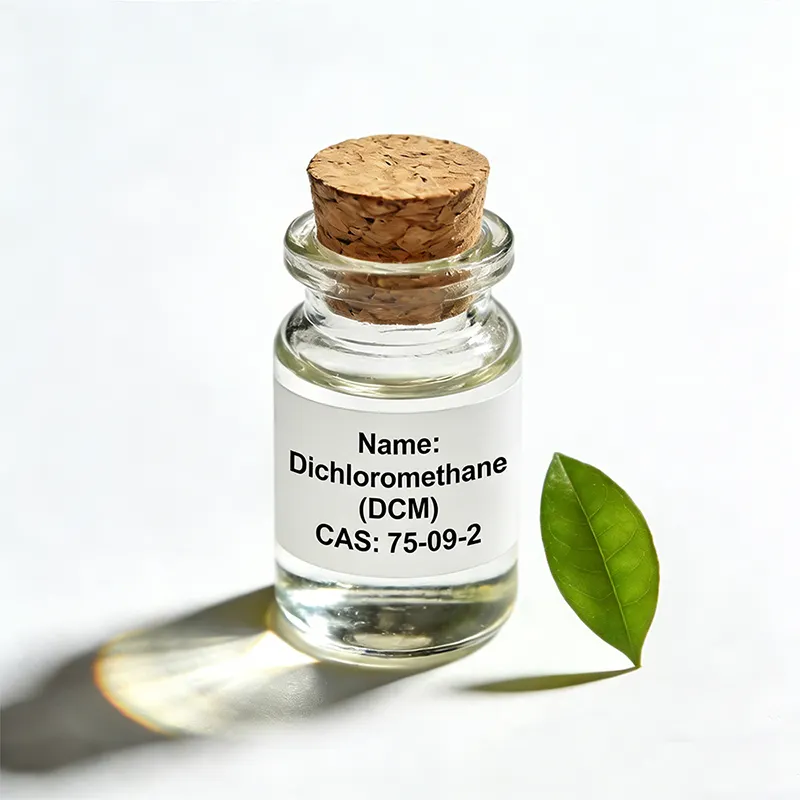
Dichloromethane CAS 75-09-2 DCM 99.9%
This high-purity Dichloromethane (DCM, ≥99.9%) is a powerful, volatile, non-flammable solvent with excellent solvency for oils, resins, and waxes. Widely used in paint stripping, metal degreasing, polyurethane foam production, and chemical extraction
Scope of Application
● Versatile Industrial Solvent & Degreaser: Widely used as a powerful, low-boiling, non-flammable solvent in paint strippers, metal cleaning and degreasing, and aerosol formulations. It is a primary solvent in the production of polyurethane (PU) foams and pharmaceuticals.
● Chemical Processing & Extraction: An essential solvent and extraction agent in the manufacture of synthetic fibers, films, and specialty chemicals. Used for caffeine decaffeination and as a solvent in flavor and fragrance extraction.
● Laboratory & Analytical Reagent: A common solvent for chromatography, spectroscopy, and as a reaction medium in organic synthesis in research and development laboratories.
● Adhesives & Coatings: Serves as a key component in industrial adhesive formulations and as a solvent for specialized surface coatings.
Product Features
✦ High Purity Solvent: This product is offered at 99.9% minimum purity, ensuring consistent performance with minimal impurities for critical applications.
✦ Superior Solvent Properties: Exhibits excellent solvency for a wide range of organic materials, including fats, oils, resins, and waxes. It is characterized by high volatility, low flammability, and good miscibility with most organic solvents.
✦Physical Description: A clear, colorless, volatile liquid with a characteristic, sweet, chloroform-like odor.
Packaging and Transportation
✦ This product is commonly packaged in 250 kg galvanized iron drums, specialty-lined drums, or 1250 kg IBC totes.
✦ Bulk shipments are available in ISO tank containers or dedicated tank trucks.
✦ Transport as a hazardous material. It is typically classified for transport as UN 1593, Dichloromethane, Class 6.1 (Toxic), PG III. Comply strictly with all applicable local, national (e.g., DOT), and international (IMDG, ADR) regulations.
Regulatory & Safety Information
Classified as Carcinogenicity (Category 2), Specific Target Organ Toxicity – Single Exposure (Category 3, narcotic effects), and Skin Irritation (Category 2). Always consult the latest Safety Data Sheet (SDS) before handling. Strictly adhere to very low occupational exposure limits (e.g., 50 ppm 8-hour TWA in many jurisdictions). Use requires rigorous industrial hygiene controls.
Safety and Storage


Certificate of amalysis
Get in touch with us